
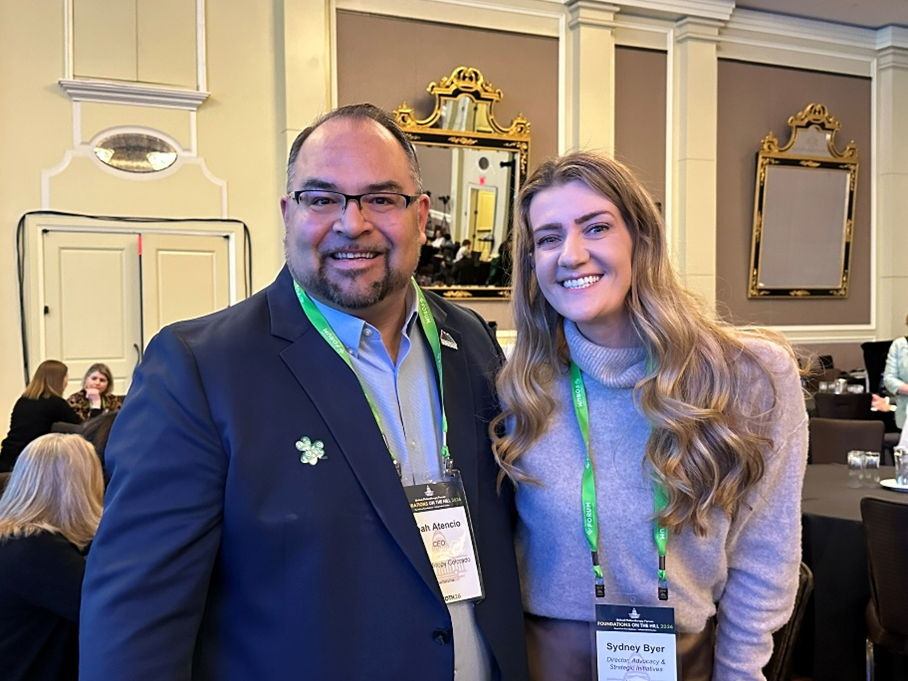
By Sydney Byer, Director, Advocacy & Strategic Initiatives, Next50
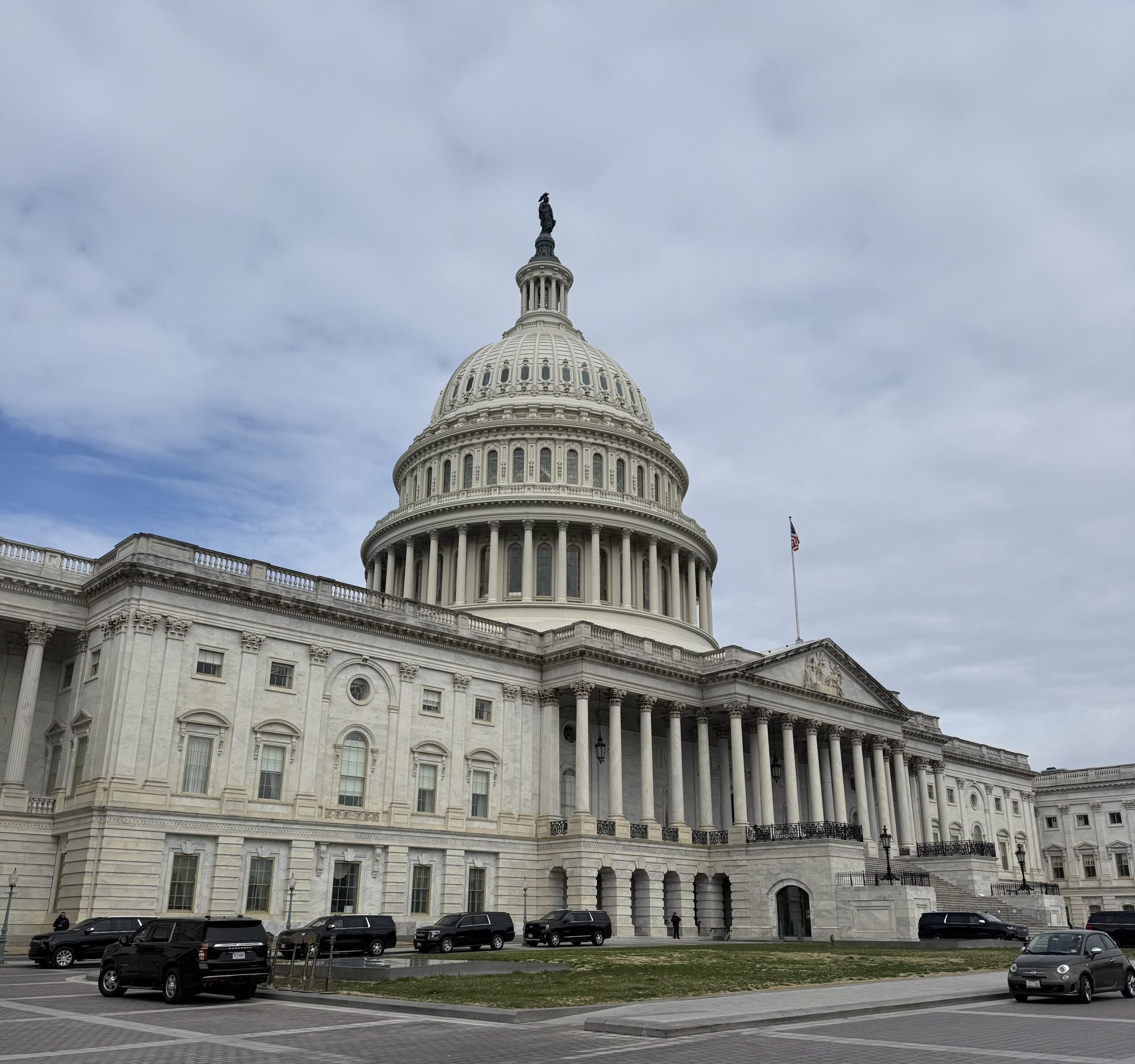
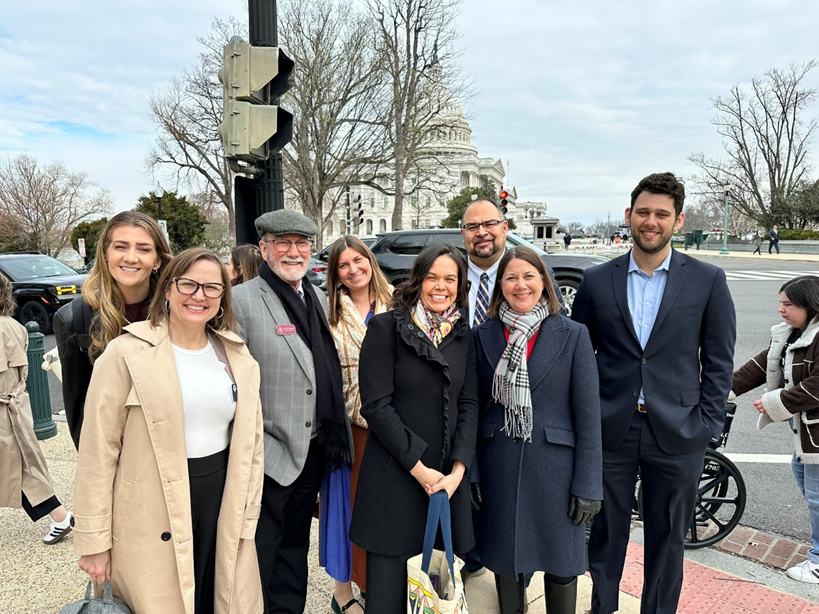
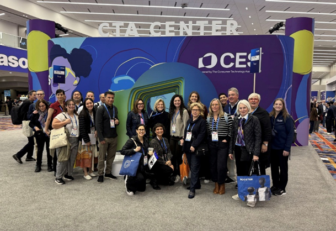
This March, I represented Next50 at Foundations on the Hill, hosted by the United Philanthropy Forum, Council on Foundations, and Independent Sector — the annual gathering where foundations from across the country meet directly with their Congressional delegations to discuss policy and its impacts shaping the sector.
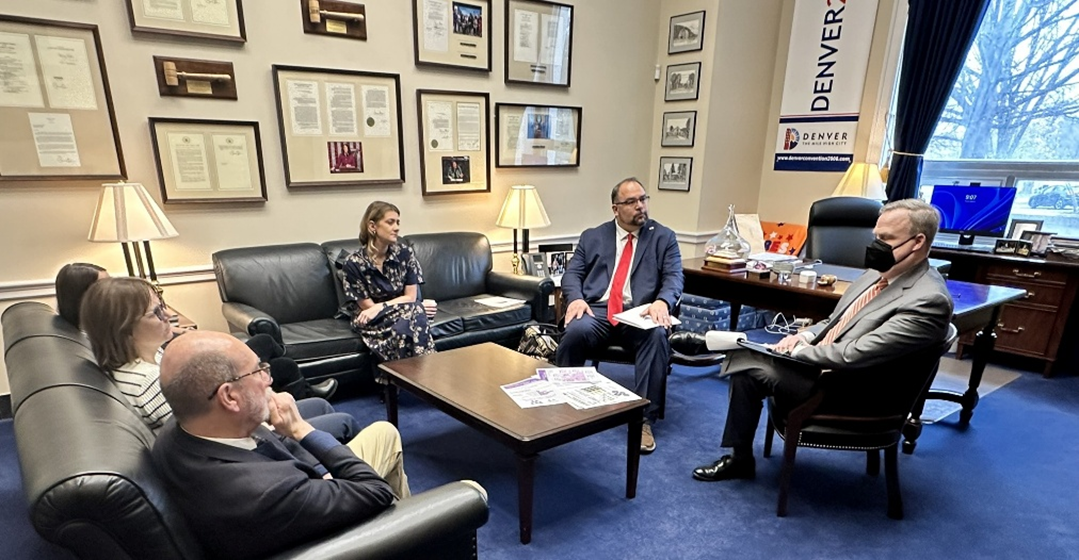
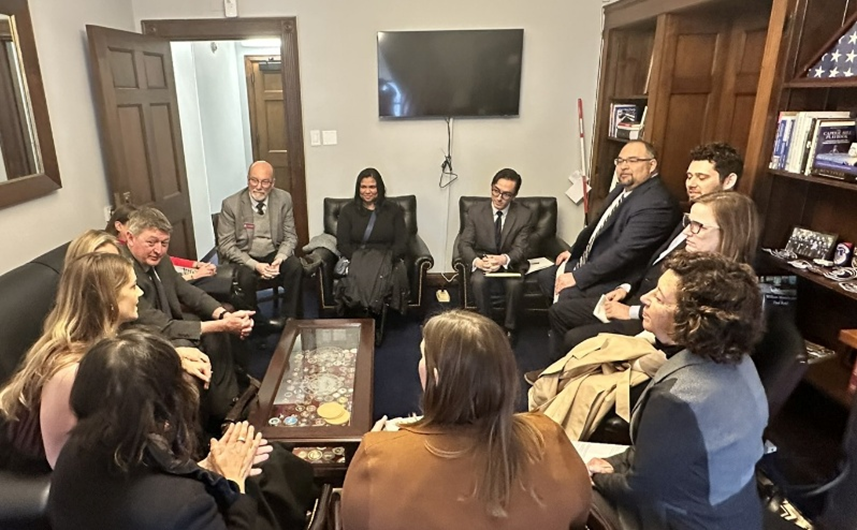
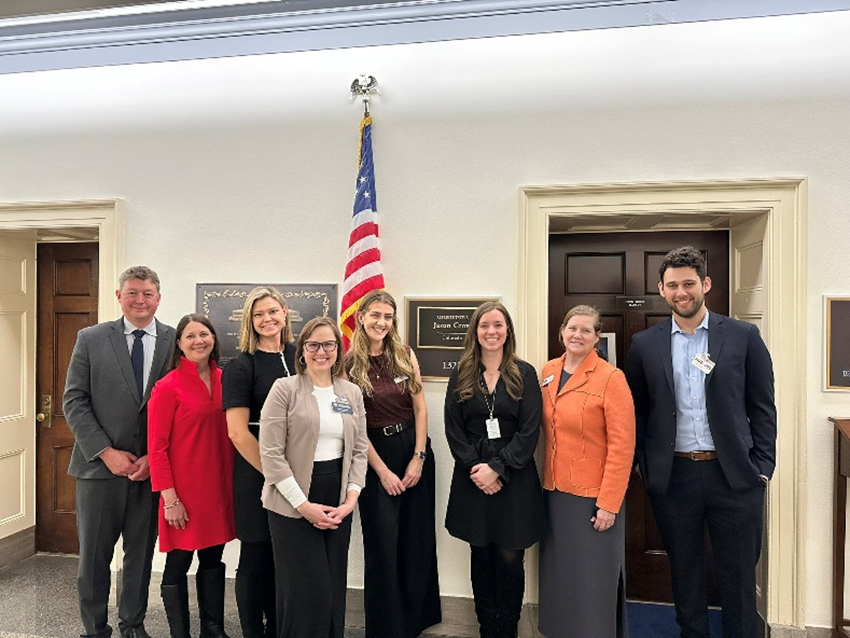
My message was simple: Colorado is one of the fastest-aging states in the country and ranks in the bottom quarter for affordability, and while philanthropy like Next50 is part of the solution, it cannot be the only one. Alongside colleagues from Philanthropy Colorado, we met with all ten of Colorado’s Congressional offices (eight House members and two senators), delivering a consistent message: foundations are vital partners in supporting the lives of Coloradans, but philanthropic giving can only complement government investment, never replace it.
Here is what else I brought home.
Philanthropy’s Legitimacy Moment
Philanthropy is facing not just a policy challenge, but a legitimacy challenge. An increasing skepticism from policymakers and the public paints foundations as elitist or extremely politically biased, making it harder to communicate our importance to nonprofits and the broader communities we serve.
Foundations on the Hill and Philanthropy Colorado offered a powerful counter to that narrative: the chance to ground Congressional conversations in local reality, bringing data that is hard to dismiss. In 2024, Colorado’s philanthropic sector distributed more than 143 billion dollars to nonprofits doing work in Colorado and nationally. Next50 proudly distributed nearly $10 million of that. The nonprofit sector in Colorado alone employs over 262,000 people, contributes more than $62 billion to the state’s economy, and encompasses more than 34,000 organizations serving communities in ways no government program can fully replicate.
But data alone isn’t enough. The week’s most practical insight was this: advocacy without narrative is just lobbying, and narrative without advocacy is just branding. While data informs, stories persuade. For Next50, this means engaging and educating policymakers by highlighting the needs of those we serve—such as older adults facing financial challenges and overburdened family caregivers—and emphasizing that aging is a key economic issue.
What the Sector Is Watching for in D.C.
Several specific federal policy proposals and actions are shaping the environment in which philanthropy operates and understanding them is key for philanthropy to continue to support the communities they serve. Below are brief takeaways on some of what the philanthropic sector is paying attention to:
- Charitable deduction changes taking place The charitable deduction allows donors to deduct charitable gifts, but it has become less accessible to everyday donors since the 2017 tax law increased the standard deduction, reducing the number of people who itemize. The H.R. 1 reconciliation process created a universal charitable deduction, allowing all taxpayers to benefit regardless of whether they itemize. This change has the potential to broaden nonprofits donor base but could also reduce incentives from major donors.
- Potential excise tax on private foundations An earlier version of H.R. 1 also included a dramatic increase to the excise tax on private foundation investment income. This would have potentially diverted more than $24 million annually from Colorado nonprofits and communities they serve. Although this was not included in the most recent reconciliation bill, this provision is being closely watched as a new reconciliation bill may be coming soon.
- Stop Funders Act This bill, which was introduced last year, is proposed federal legislation aimed at expanding how the government can prosecute organizations and individuals involved in funding or organizing in protests deemed as violent. It would allow federal prosecutors to pursue organizations, funders, and coordinators, and not just individual protesters.
A Bipartisan Opening
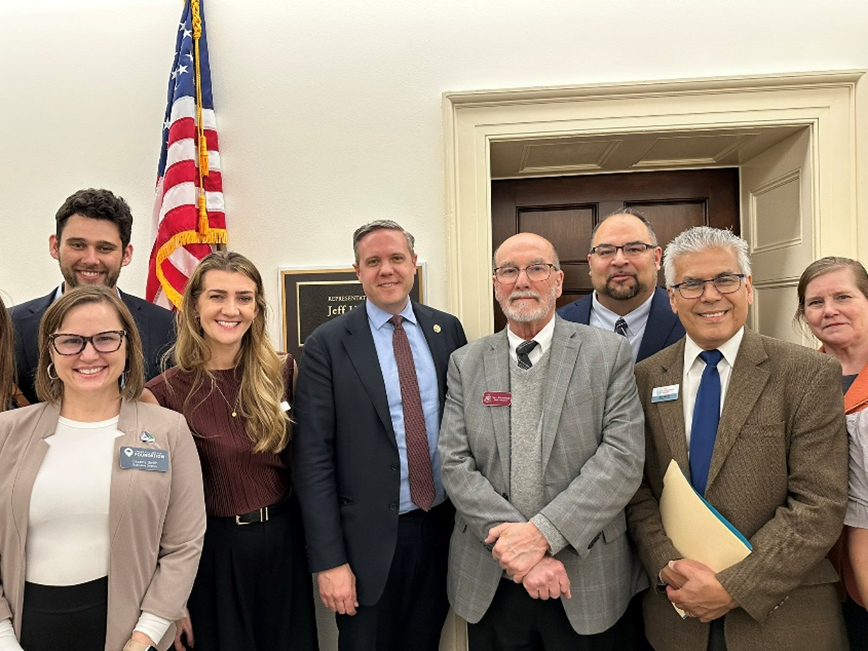
One of the most encouraging developments from our Congressional meetings was the relaunch of the Congressional Philanthropy Caucus, co-led by Representatives Blake Moore (R-UT) and Danny K. Davis (D-IL). This caucus will be a bipartisan collaboration for Members of Congress to engage more deeply with the philanthropic sector. Across Colorado offices, we found genuine curiosity and openness to learn more and even join the caucus. This kind of bipartisan engagement doesn’t advance any single agenda, but ensures philanthropy has informed partners in Congress who understand the importance of nonprofits and the foundations that support them, making our communities thrive.
Next50’s Takeaways
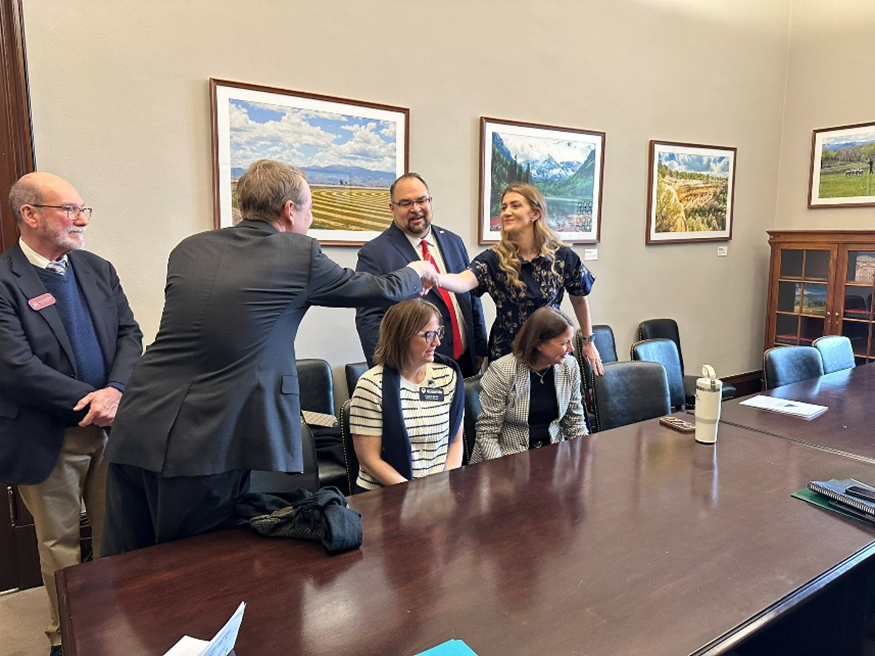
Foundations on the Hill is a call to action as much as a learning experience, and we’re leaving with clear commitments: invest in narrative as infrastructure, treating communications and advocacy as one integrated strategy; build durable, values-based relationships with policymakers and peers rather than transactional ones; and stay anchored in communities we serve, and ensuring every policy conversation traces back to a real person and a real impact.
Foundations on the Hill is a reminder that philanthropy has a voice and a responsibility to use it. At Next50, we are committed to showing up for the older adults and communities we serve, not just through grantmaking, but through the hard and important work of civic engagement.

 English
  Español de México