By Peter Kaldes, President & CEO, Next50
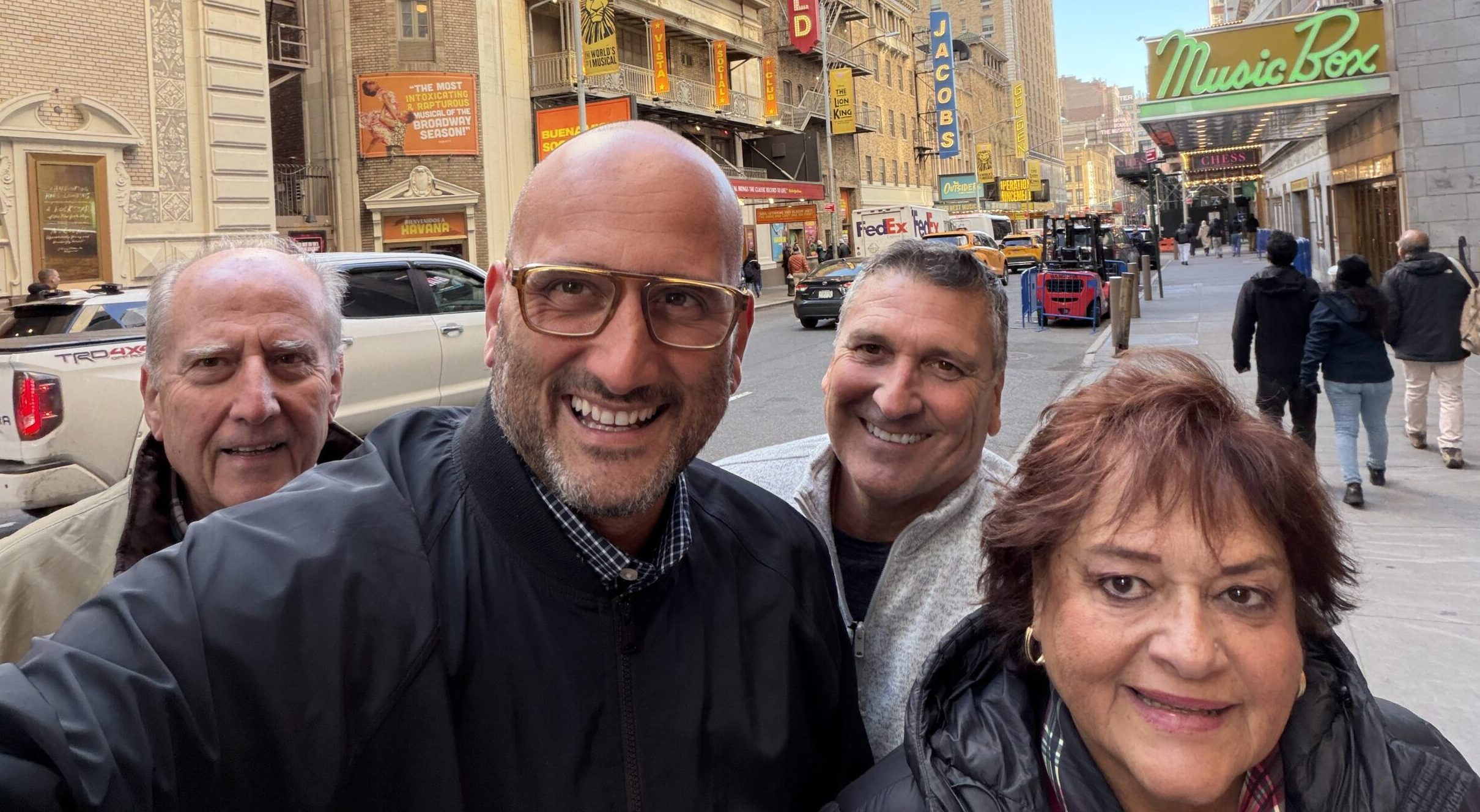
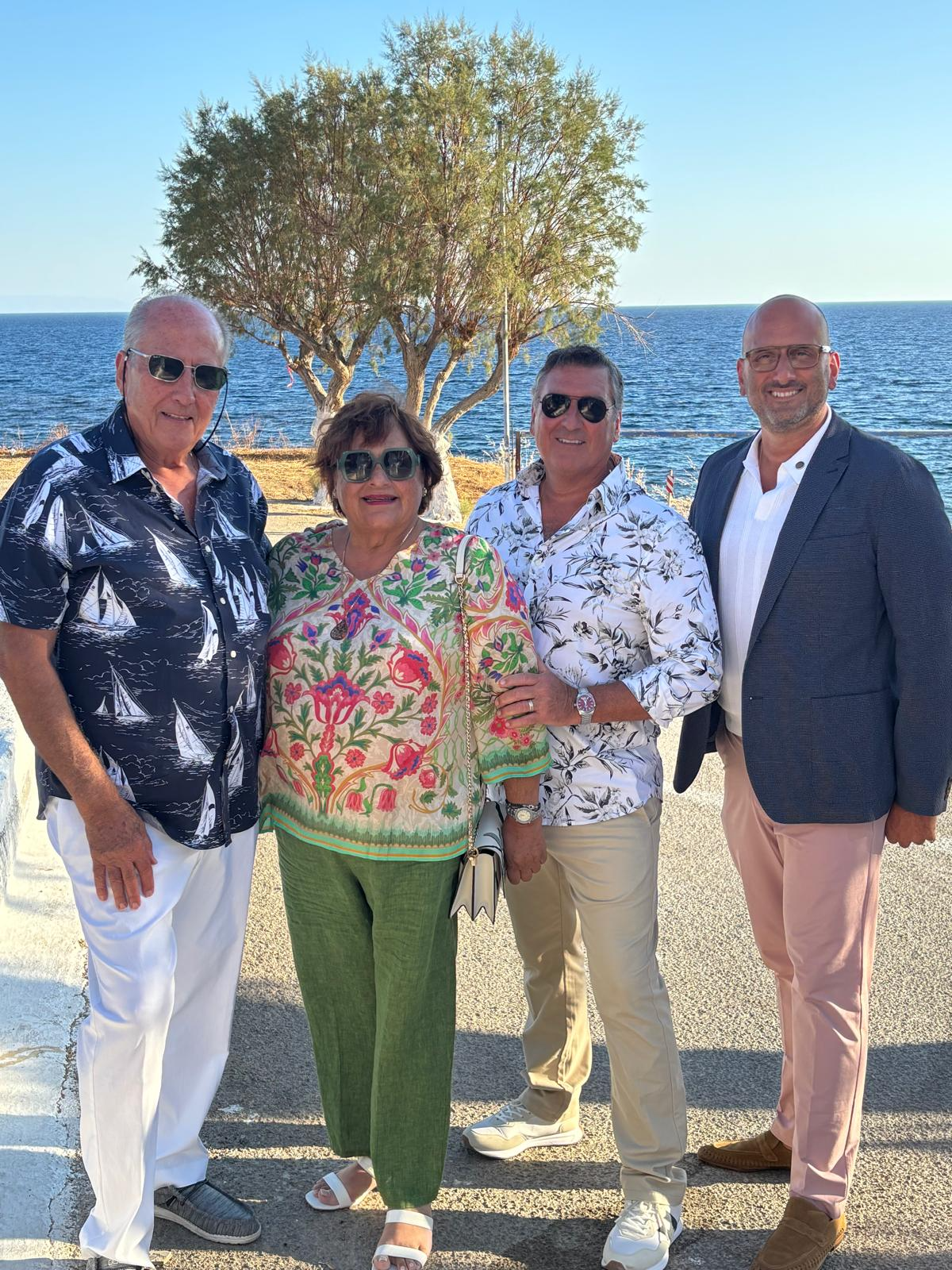
I’m turning 50 this year, doing higher math on my 401(k) and deeper push-ups in the gym. My husband is turning 65 and has developed strong opinions about Medicare plans and the exact right moment to claim Social Security. My mother is 76, recently widowed after my father’s short and valiant fight with pancreatic cancer, and now downsizing the home where they built a life together. One family, three milestones, all of us trying to figure out what aging well in America actually looks like.
And then I go to work, where this is also what I do all day. As CEO of Next50 during our tenth anniversary year, the overlap between my professional and personal life isn’t subtle. I bring work home. I bring home to work. There’s no clean line between the two, and honestly, I’ve stopped looking for one. Instead, I’ve been reflecting on the decade behind us, and the one taking shape ahead.
Next50 launched with one stubborn idea: aging isn’t a crisis to manage, it’s the greatest opportunity of our era. Hardly anyone in philanthropy was saying that out loud. So we said it, and then we proved it.
We listened before we funded. When COVID hit older adults first and hardest, Next50 moved $2.5 million in four months. We backed digital literacy, affordable housing, employee-owned home care, and even Hollywood scripts — because how culture portrays aging shapes how systems treat it.
Ten years later: nearly $90 million deployed, 1,144 grants, 625 organizations across 41 states. The real story is what Next50 built underneath it. A polycapital model that puts every tool, including our grants, program-related investments, advocacy, and our full endowment, behind one mission.
What’s ahead is bigger than anything behind us. Americans 55 and older hold $124 trillion, which is nearly three-quarters of the country’s wealth. By 2034, Americans over 65 will outnumber those under 18 for the first time ever. Colorado has already crossed that line, and our 50+ population has grown more than 150% since we opened our doors. This isn’t some destructive tsunami as some would have you believe. It’s the defining demographic opportunity of our lifetime, and whoever leans in now will shape what the next chapter of American life feels like.
In 2027, we’ll launch a bold strategic plan meeting this moment and grounded in the people we serve every day. Next50 will keep showing up for that 68-year-old in Pueblo looking for a job while persuading global investors to put serious capital behind aging and longevity. We can do both. We have to.
But to do so requires focusing our capital on the themes science, policy and Next50’s community have identified as priorities for all of us to age well: promoting economic security, strengthening social inclusion, supporting the built environment and advancing our health. And we’ll measure our impact harder than ever. Because somewhere out there is another 50-year-old running the numbers, another 65-year-old reading Medicare paperwork at the kitchen table, another 76-year-old starting over. They deserve a country that values aging.


 English
  Español de México