

By Rach Angard, Strategic Initiatives Manager, Next50
It is no secret that Americans are feeling more isolated and lonely than ever. One of the loneliest groups among us is older adults. This epidemic of loneliness has a slate of negative consequences, including decreased mental health, fractured relationships, and decreased lifespans. However, research shared by the American Society on Aging gives us some hope: intergenerational relationships can “improve cognitive function, increase empathy, and help us live longer lives”. As a foundation that is dedicated to a world that values aging, Next50 is proud to support organizations focused on building intergenerational connections. We recently spoke with two of our grantees, Sesame 3G and Treehouse Foundation, that are exceptional models in their fields.
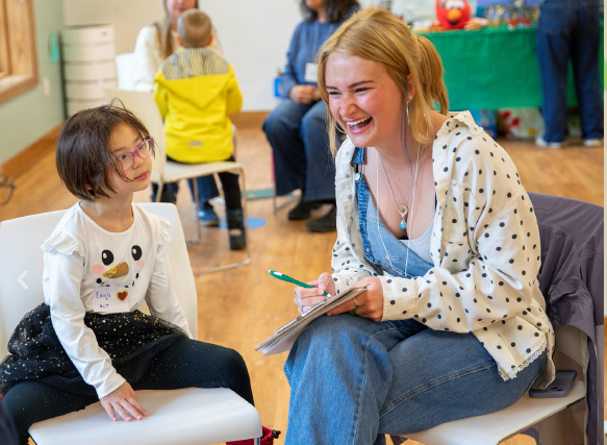
Sesame 3G is a tri-generational mentorship program rooted in Sesame Street’s longstanding educational mission. Lewis Bernstein, the CEO and founder of this project, has worked with Sesame Street for 43 years. The TV show was created with the goal of educating children, both cognitively and emotionally, and Sesame 3G carries that same torch. Bernstein said the program was started by seeking to answer the following questions: “How do we tap into the younger populations? How do we address social isolation among teens and older adults?”
This program answers those questions by tying those three generations together: older adults, teenagers, and preschoolers. In weekly meetings, older adults train teenagers on how to lead a session about an important social-emotional development for children. The teenager shows the preschooler a Sesame Street clip, like one about Cookie Monster having to wait very patiently to eat a cookie. Together, they talk about what happened in the clip and what the preschooler can learn; in this instance, why it is good to learn how to wait to get something you want. Teenagers then return to their partnered older adult to discuss how the mentoring session went. After, the three generations get to talk and play and connect with each other, both inside and outside of the taught social-emotional framework.
This structure creates multiple levels of mentorship, giving both of the older participants a sense of purpose while also connecting them with the fun and play of working with young children. According to Bernstein, the program gives each individual “a chance to interact with a generation [they] don’t really know,” which builds a safe space to talk and share and listen and trust outside of the people in their immediate family. With Next50 funding, Sesame 3G has recently expanded their work to Colorado through a partnership with Colorado State University in Fort Collins, where they are launching a local pilot program.
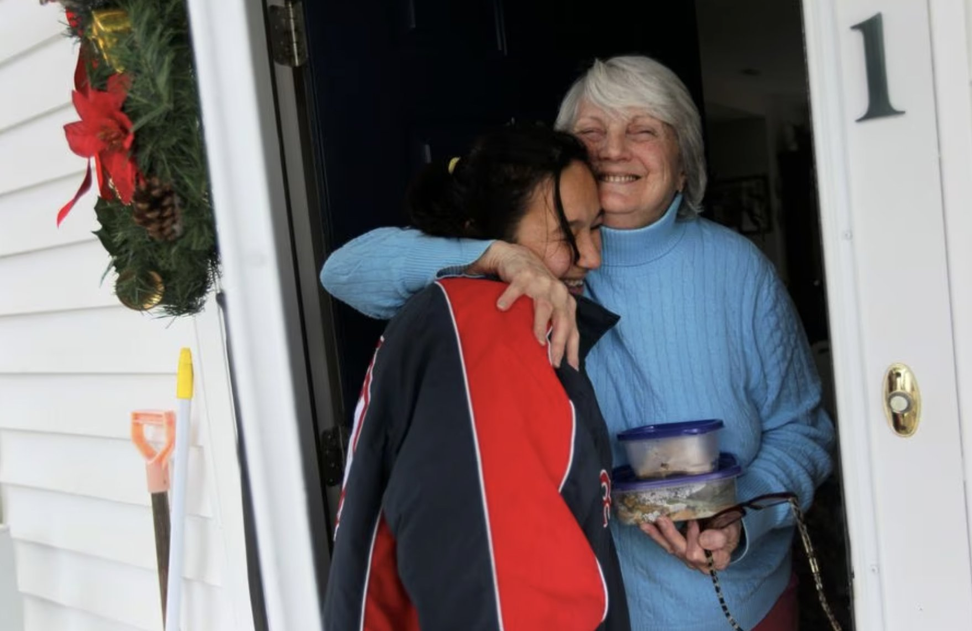
Intergenerational work can happen anywhere, in any neighborhood. It can also be the intention of the neighborhood, like it is with Treehouse Foundation, a Massachusetts-based, affordable intergenerational housing community, which is comprised of foster children and families, and older adults. According to Erika Kuester, CEO, “most of the community is occupied by older adults who are committed to this mission and to being a part of the lives of these children.”
While Treehouse Foundation relies on wraparound services and programming to support their residents, the intergenerational connections built are just as important to everyone’s success and wellbeing. Older adults experience less loneliness because they are part of a neighborhood that cares for them the same way they care for it. Often, older adults help take care of the children in the community, whether that is through school dropoffs or babysitting or reading books aloud.
Children, too, help their older neighbors with tasks as simple as taking out the trash for those who have mobility challenges. And the impact on these children is “immeasurable.” Kuester adds that “each stable connection to a caring, loving adult increases their chances of success.” Success for kids being raised in foster care means a lower likelihood of being in the criminal justice system, higher high school graduation rates, and lower rates of teen pregnancy.
Living in a community committed to intergenerational housing builds strong social ties and even stronger relationships. It helps folks of all ages feel less alone. It ensures that people see themselves and everyone else as an important and active part of a larger whole.
Next50 funding is helping Treehouse Foundation prove the efficacy of their intergenerational model while they move forward with building a new neighborhood in the Boston area. Of course, not everyone is lucky enough to mentor with Sesame 3G or live in a Treehouse community. But everyone can find ways to engage in more intergenerational connections in their own lives. Lewis Bernstein recommends checking out what is happening on a local college campus. Older adults are being welcomed back into classes and even, in the case of Arizona State University and others, to live in on-campus housing. Erika Kuester says you can start in your own neighborhood. Getting involved in a local school or community event will help you be more responsive to what’s going on in the lives of the people who live right next door to you. The more of these relationships we build, the stronger our communities will be.
This Intergenerational Month, find a way that you can build connections across generations in your own neighborhood and your own community; you never what you might learn. As Sesame 3G and Treehouse Foundation both know, connection across generations isn’t just a nice idea; it is a necessary approach to mitigating the loneliness epidemic and for creating a world that values aging.



 English
  Español de México